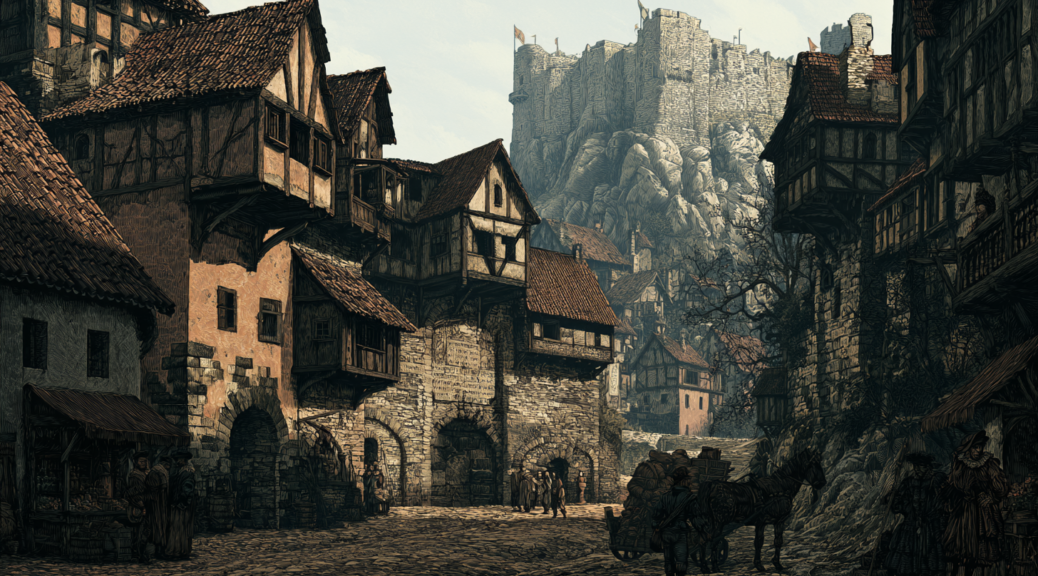
The City Beneath the City
Cities are built in layers. In Alkainos, those layers can conceal centuries of forgotten history, political ambition and knowledge that was never meant to be recovered.
Cities are built in layers. In Alkainos, those layers can conceal centuries of forgotten history, political ambition and knowledge that was never meant to be recovered.
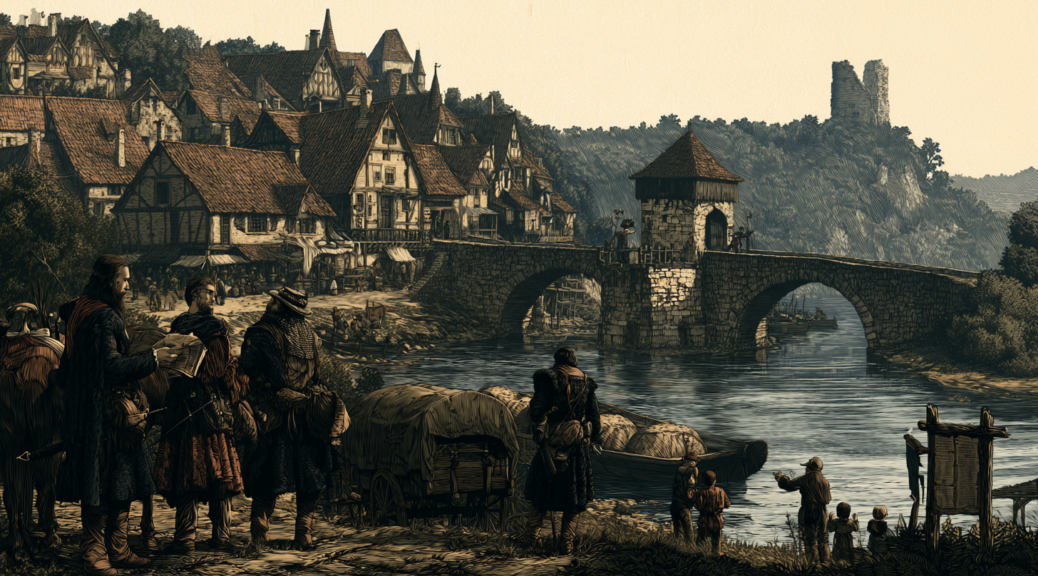
Alkainos has room for ancient powers and large events, but I want its smaller adventures to matter on their own terms. On local stakes, different kinds of danger, and stories that leave the wider world intact.
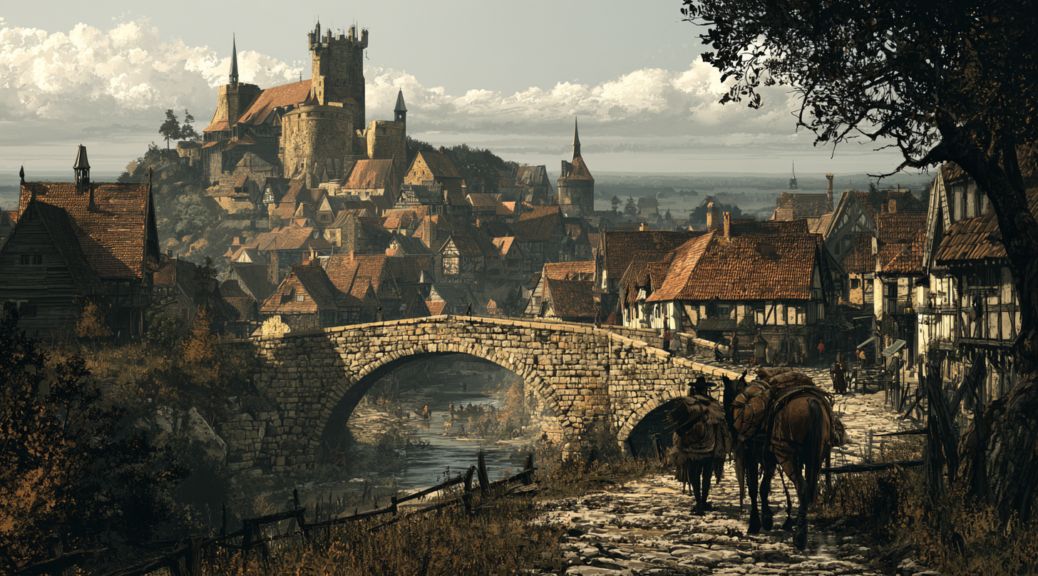
The ordinary roads, towns and institutions of Alkainos matter because they give its supernatural disturbances something familiar to unsettle. A look at the changing shape of fear across the first trilogy, without plot details.

The Daughters of Demorax belong to something older and broader: an order founded to confront supernatural threats, still carrying its old responsibilities into a world less willing to recognise its authority.

Morne began as a place I needed for the second Alkainos novel. It is turning into a river city built around an ancient hill fortress, with several layers of history visible in the same stone.
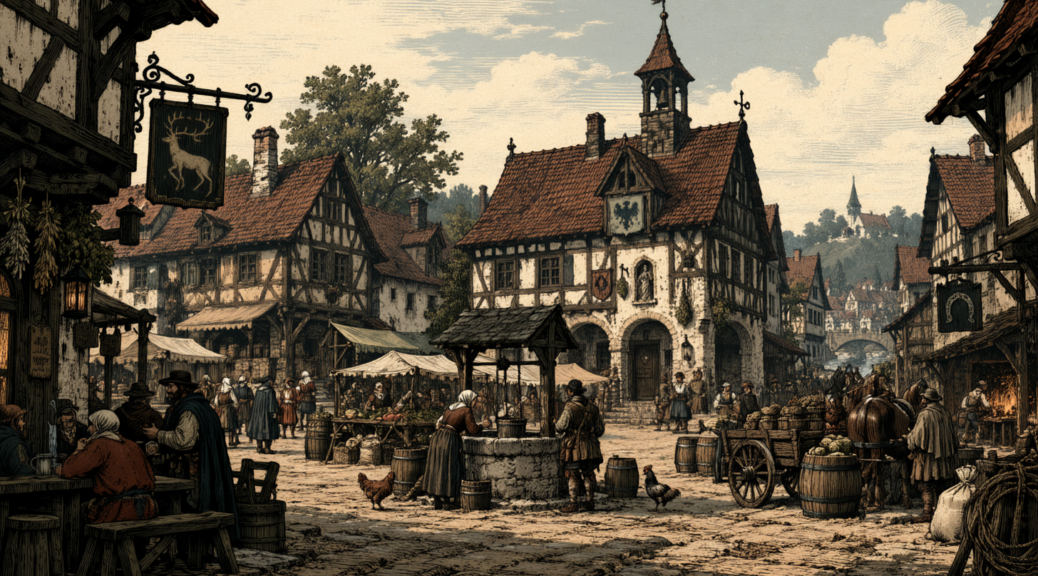
A practical Eidengardian road town built because The Ash Cartographer needed one: toll bridge, market traffic, inns, trades, civic authority and an old half-remembered relationship with the Veil.
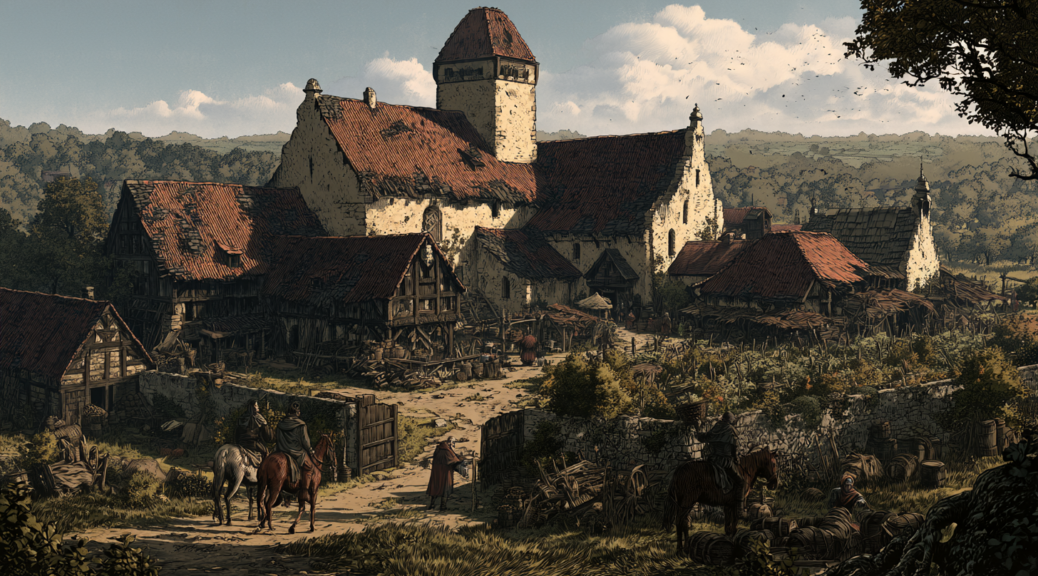
A roadside saint, an abbey with an obligation to strangers, and a reminder that fantasy religion works best when it shapes ordinary life as well as grand theology.
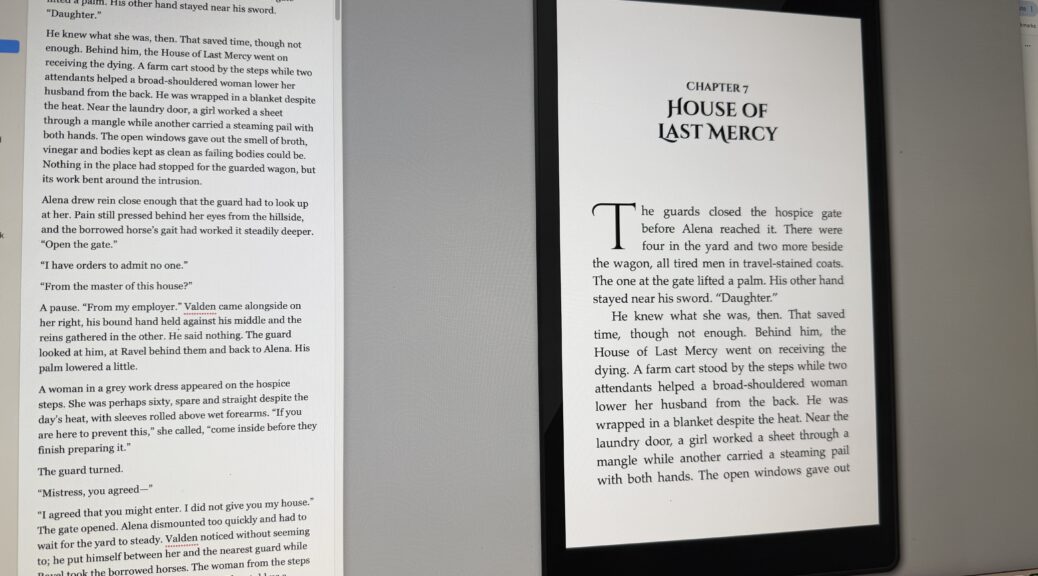
A week of revising the first Alkainos novel exposed a recurring problem: a scene can make perfect sense in an outline and still feel false once people have to move, speak and react inside it.

Revisiting my first Alkainos stories exposed an uncomfortable problem: they were often clever, but flat. Here’s how that lesson is shaping The Ash Cartographer.

Port Baratka sells something the lawful ports of Alkainos cannot: freedom from other people’s rules. But keeping a pirate city useful requires rules of its own.